Blinkit
A desert crossing, a broken bike and a kirana store that doesn’t have it. Kahi bhi, kabhi bhi, kuch bhi: Blinkit.
The brief
Blinkit’s growing presence across India got us thinking about how to show the convenience of quick commerce in a film that feels regional and relatable. Rather than talk about delivery speed or how much it stocks, we wanted to dramatise the inconvenience of the alternative.
Everything was built around one line:
“Kahi bhi, kabhi bhi, kuch bhi — Blinkit.”
Anywhere, anytime, anything.
The insight
Sometimes the effort of buying something is far greater than the thing you actually need. So what if we pushed that inconvenience to a completely absurd level?
The idea
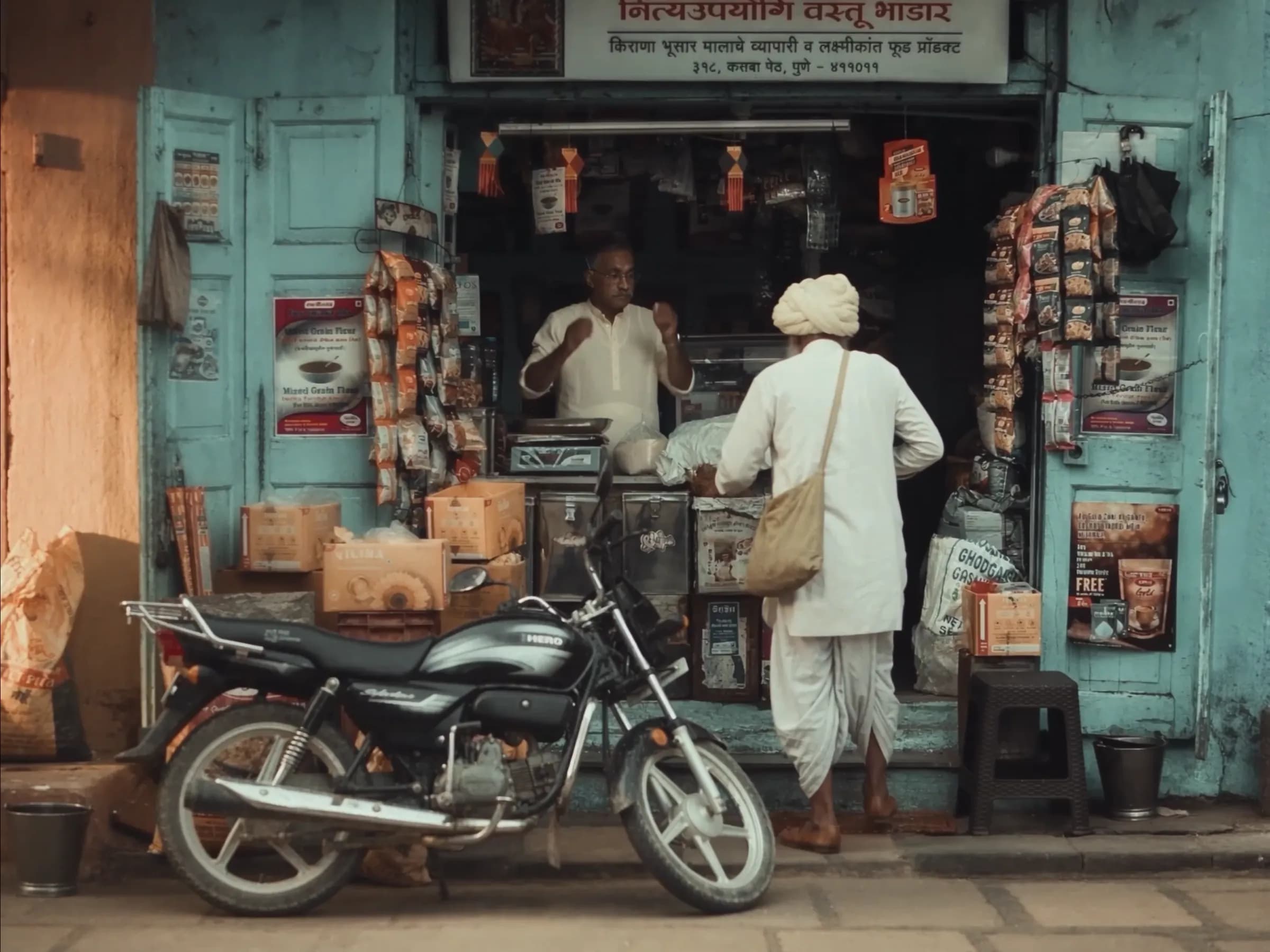
Pintu sets out across a desert to reach a kirana store. He rides through scorching days and freezing nights. His bike breaks down. He struggles, perseveres and keeps going.
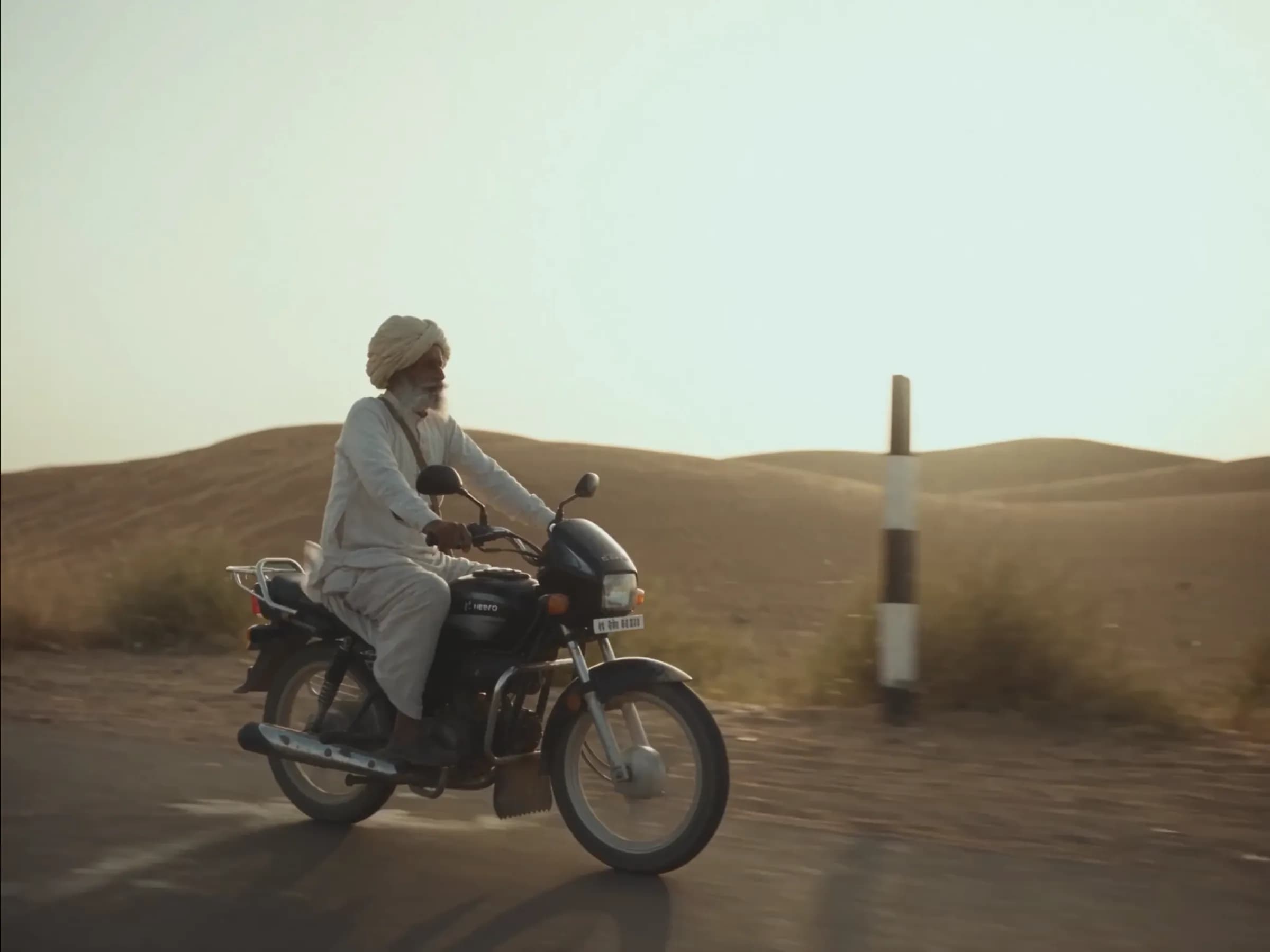
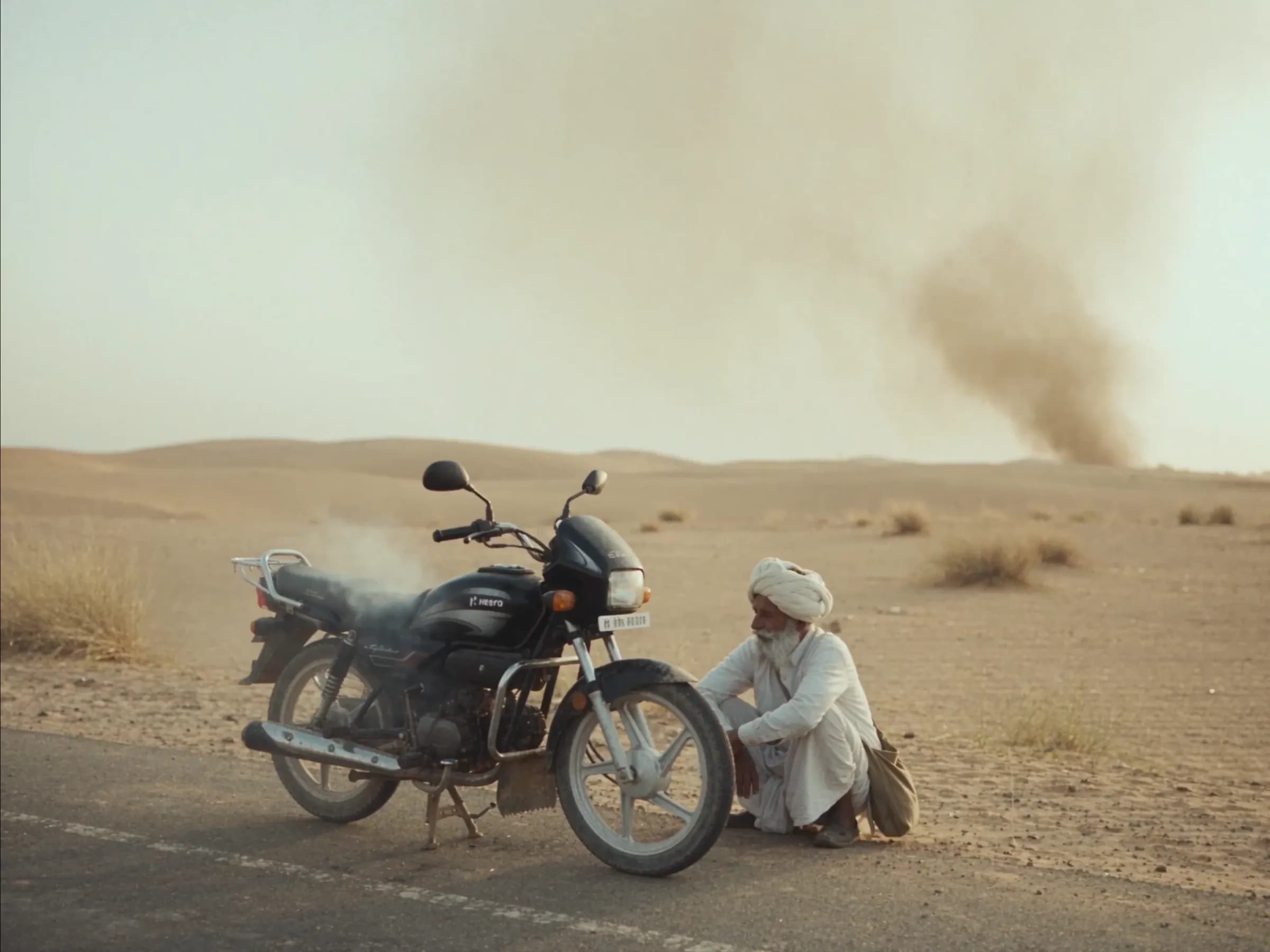
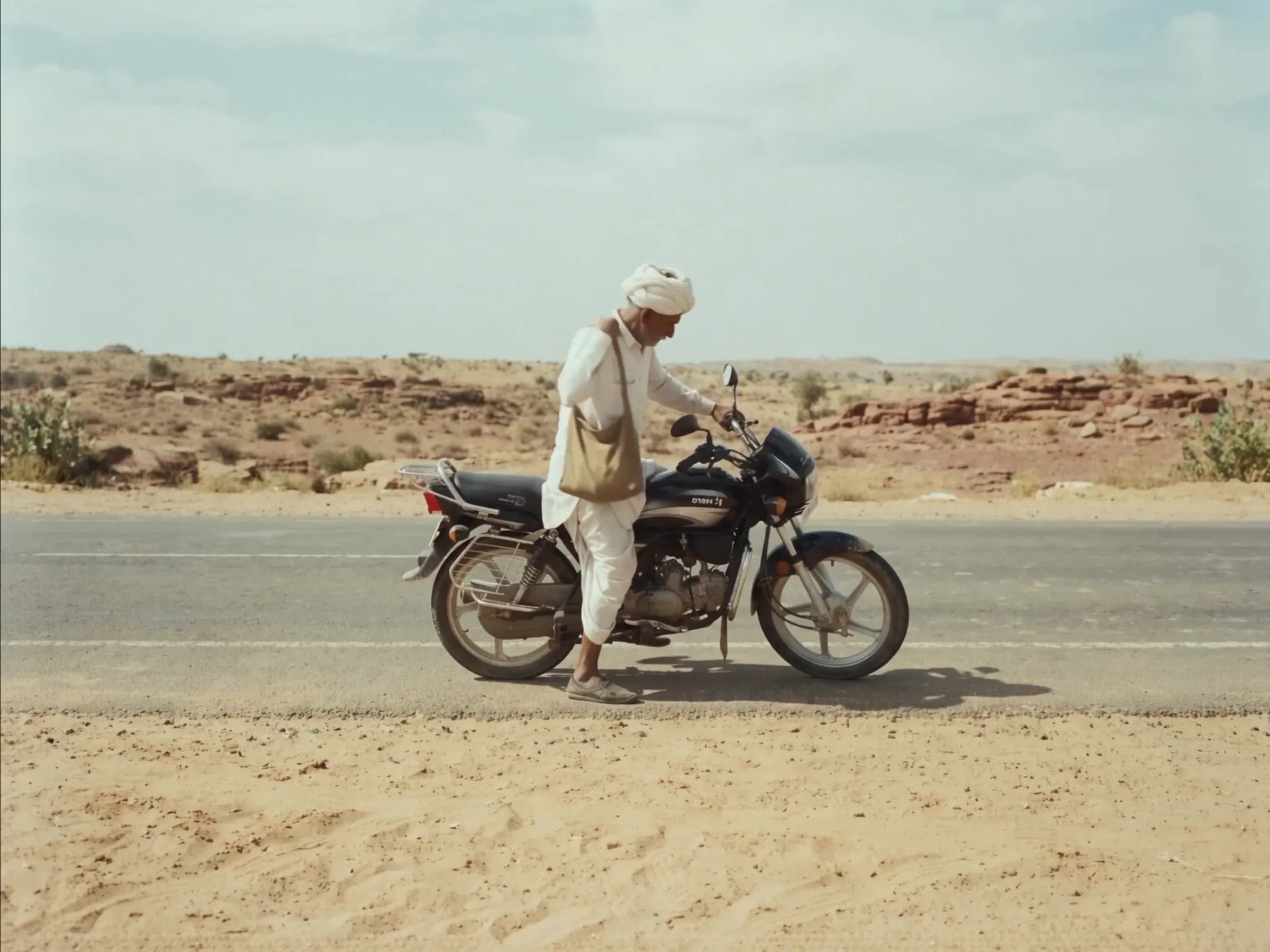
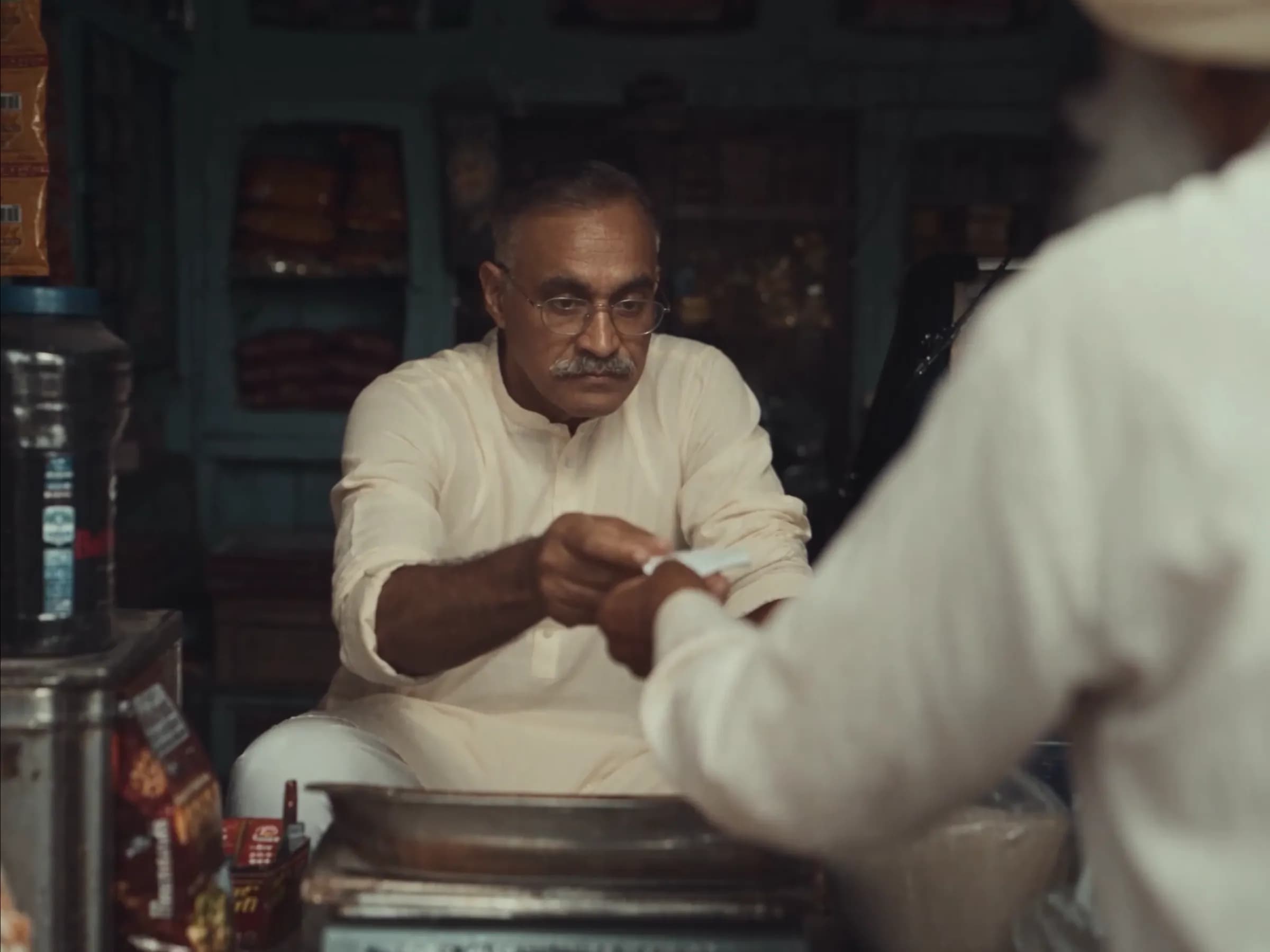
At last, after what feels like an expedition, he reaches the shop, only to find that what he wants isn’t there. The shopkeeper looks at him and offers a simple suggestion: just Blinkit.
The creative thinking
The whole film runs on exaggeration. We wanted the journey to feel unnecessarily dramatic, almost like an adventure film, so that the payoff reveals how avoidable the whole thing was.
The humour is in the contrast between the enormous effort of reaching a store and the simplicity of ordering on Blinkit, and it lands harder because the shopkeeper is the one who says it. We wanted convenience to come across as a story people remember, not a list of service benefits.
On paper first
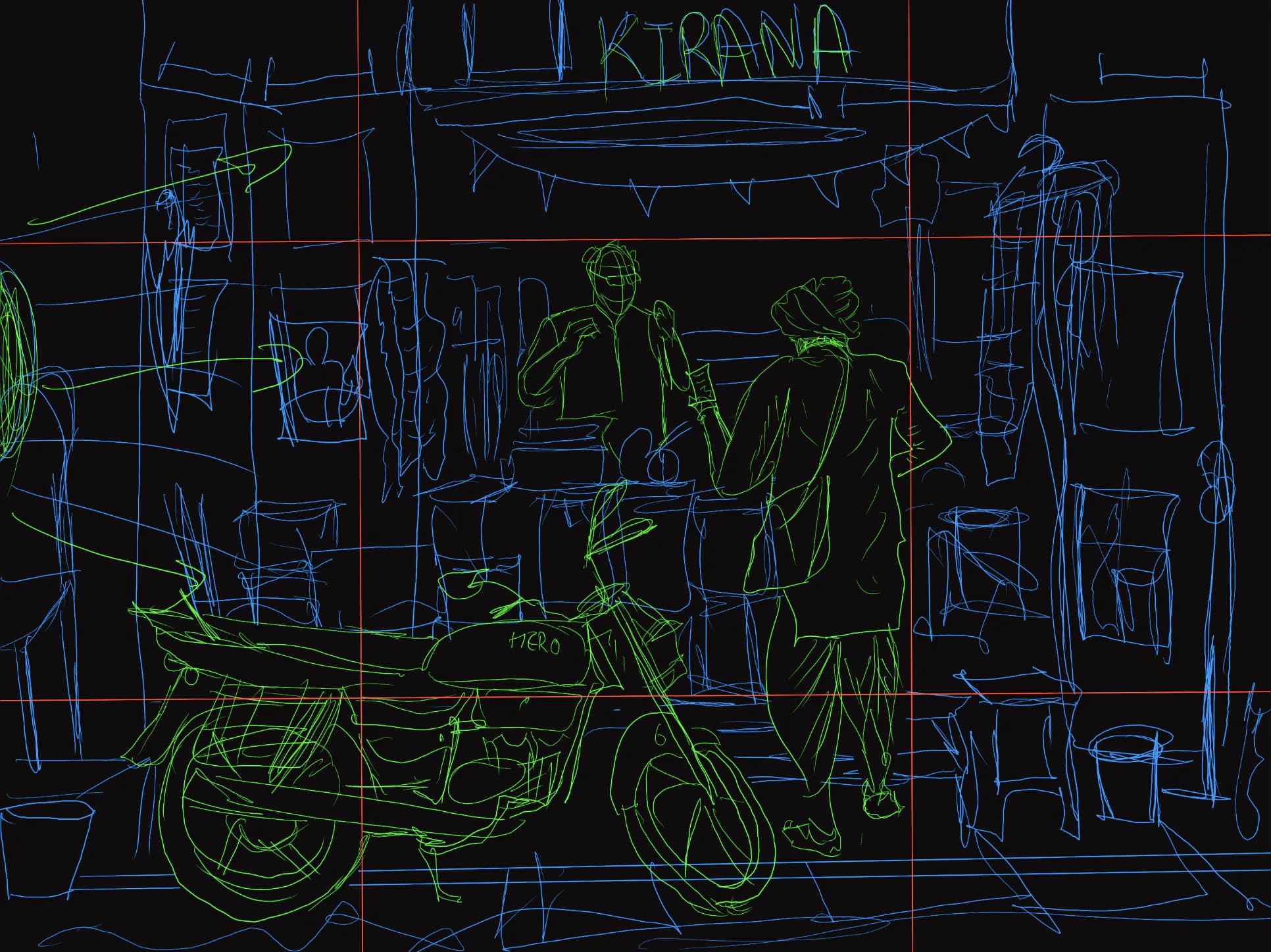
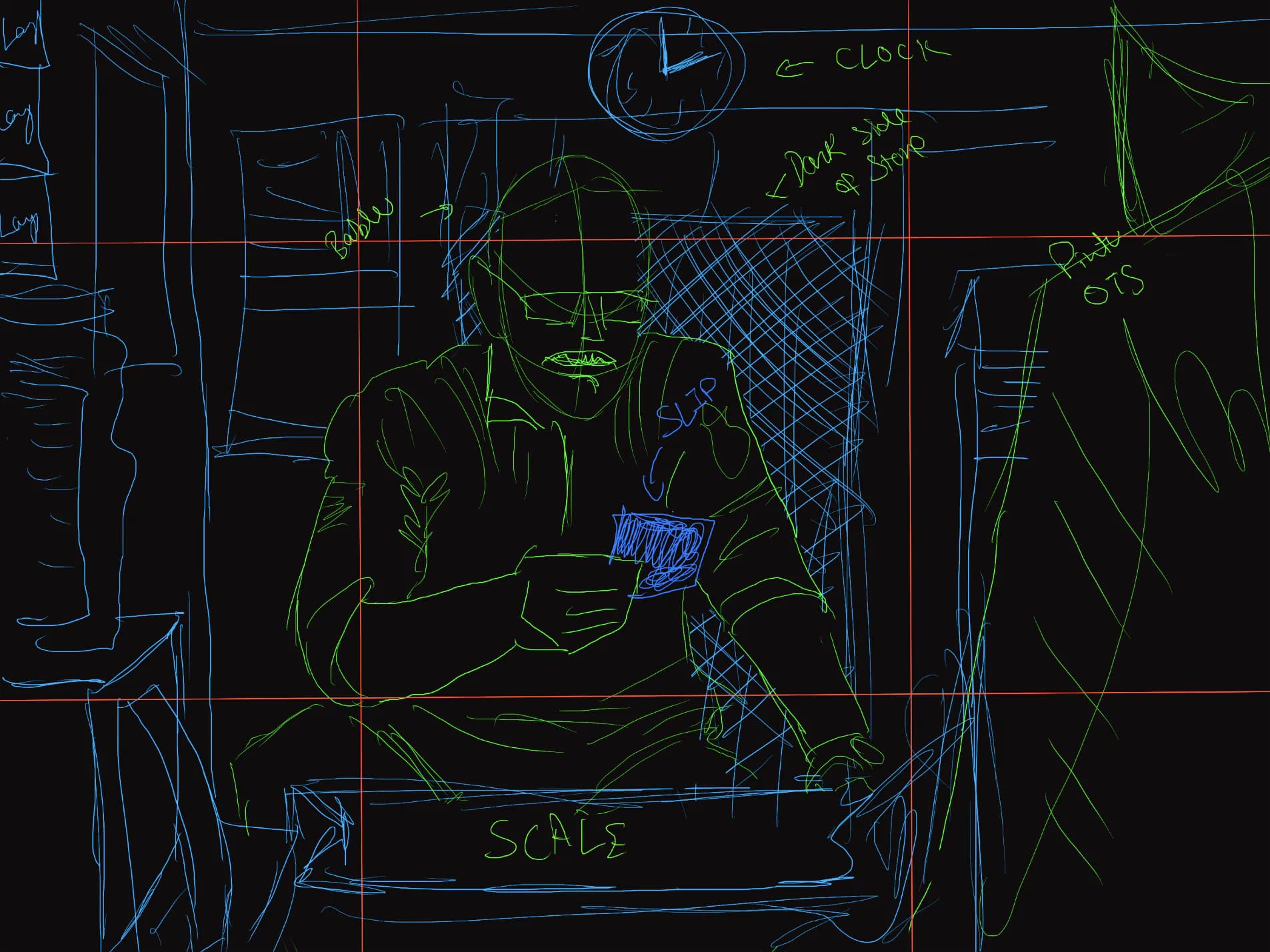
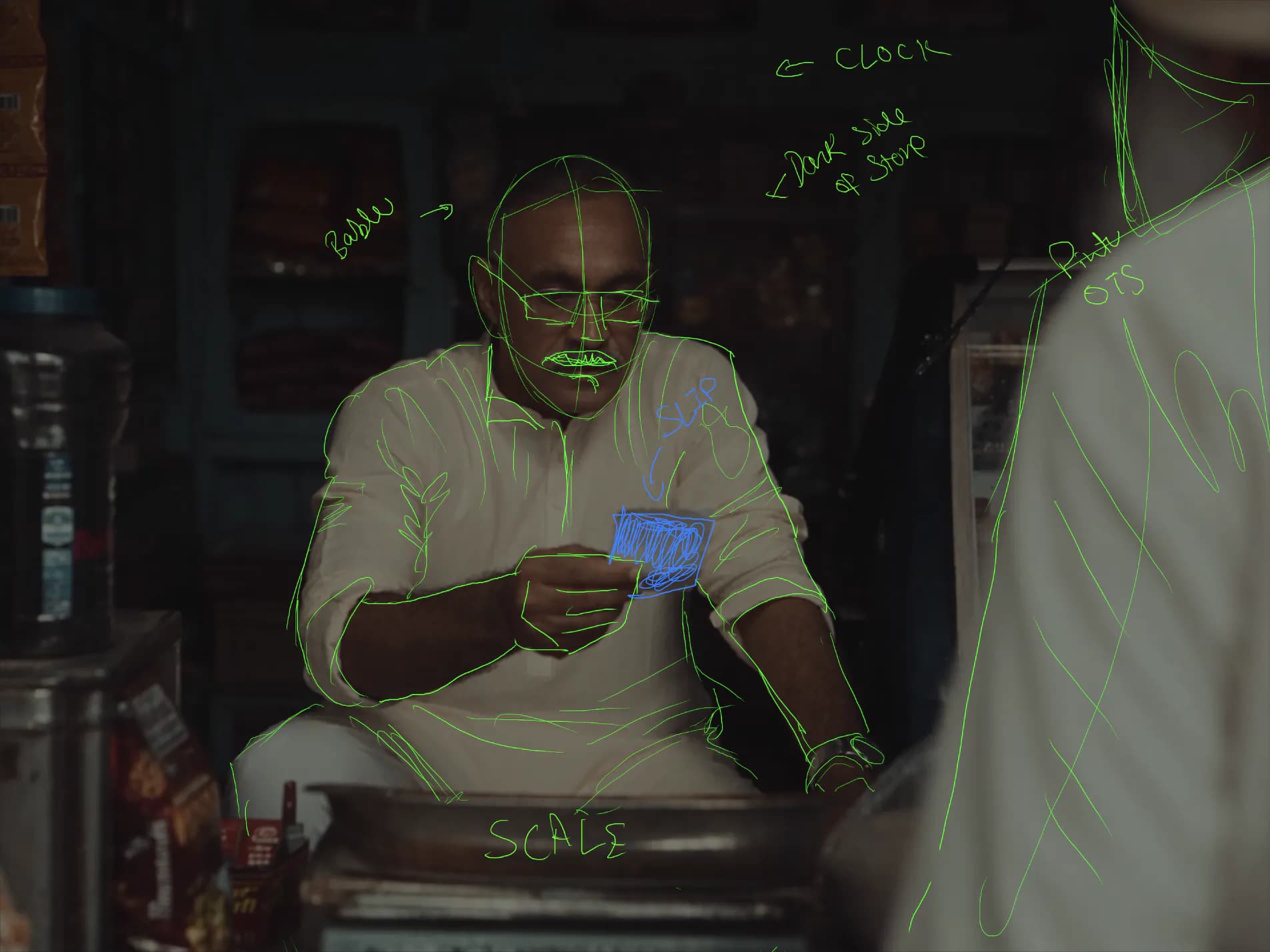
Each shot began as a hand-drawn storyboard, with the sun, the road and the kirana marked out. The last one is the sketch laid over the finished frame.
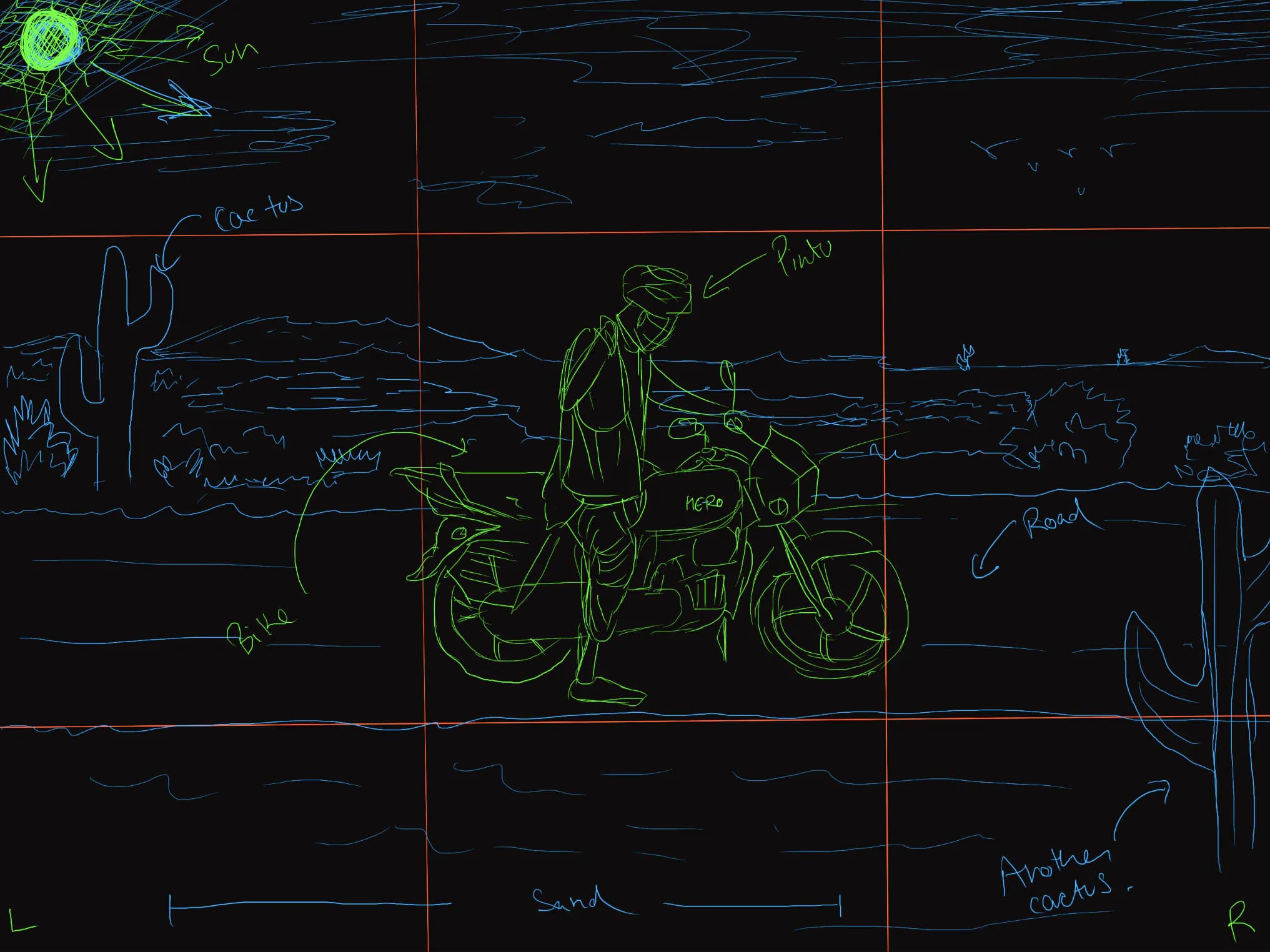
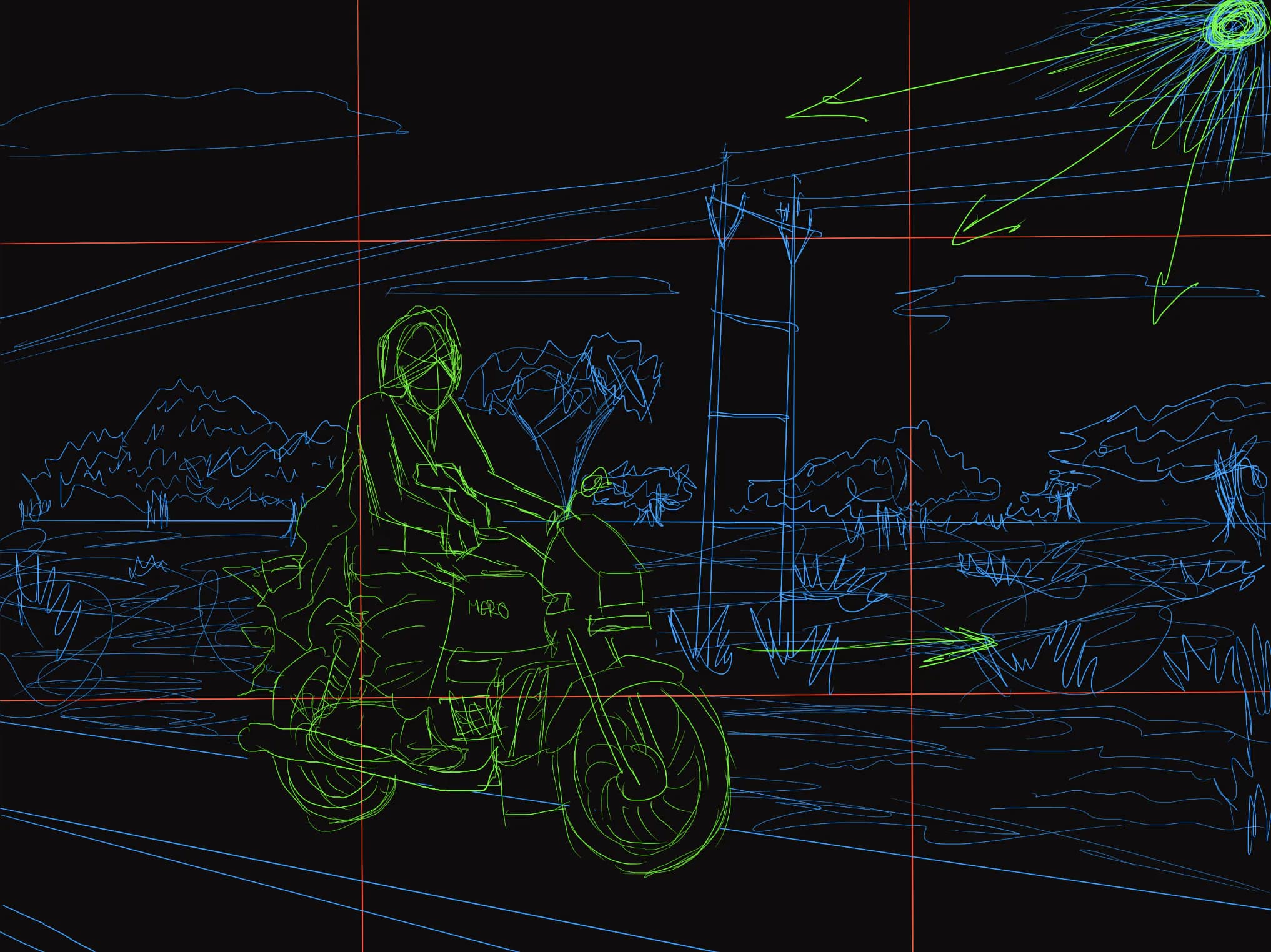
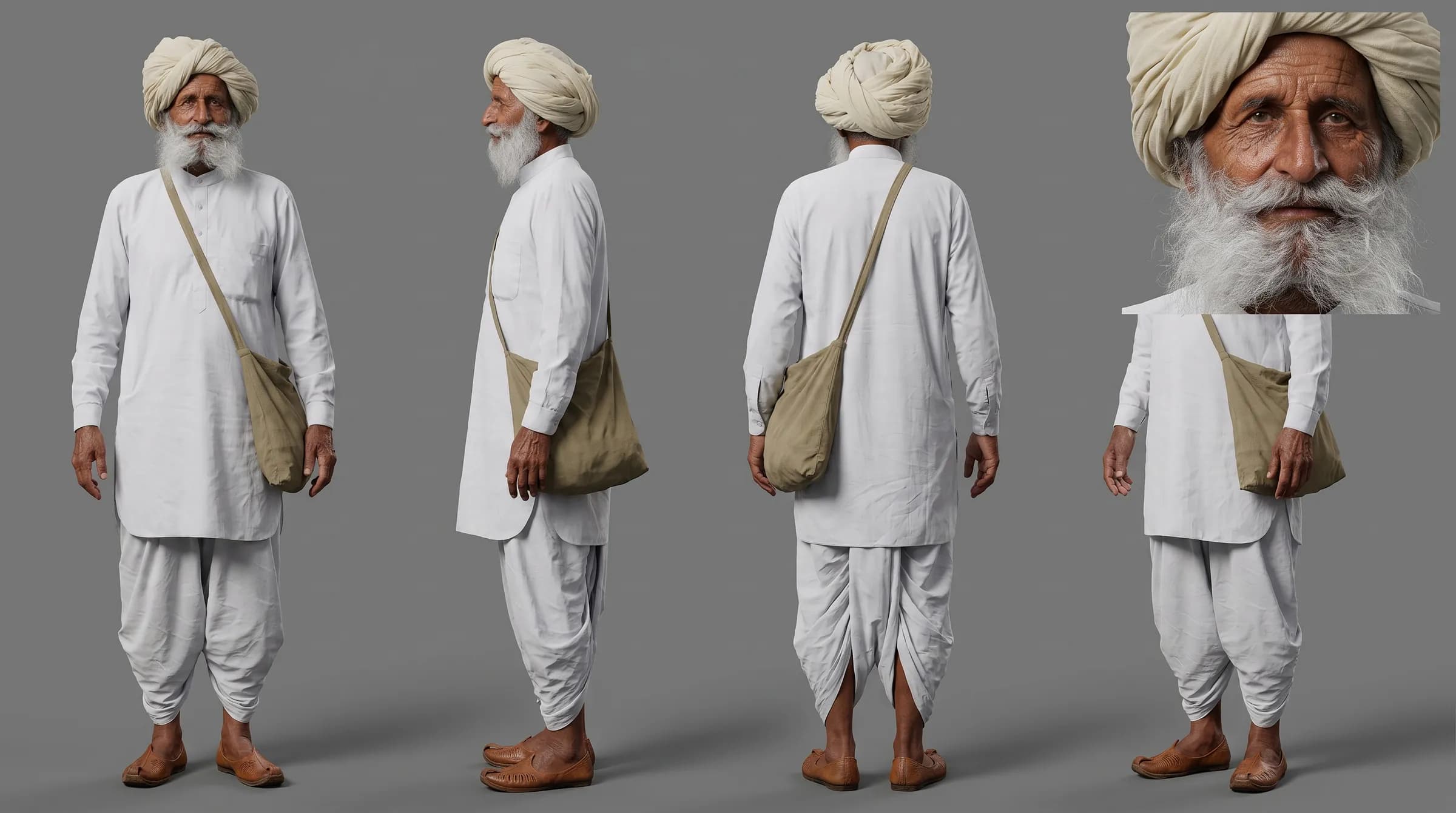
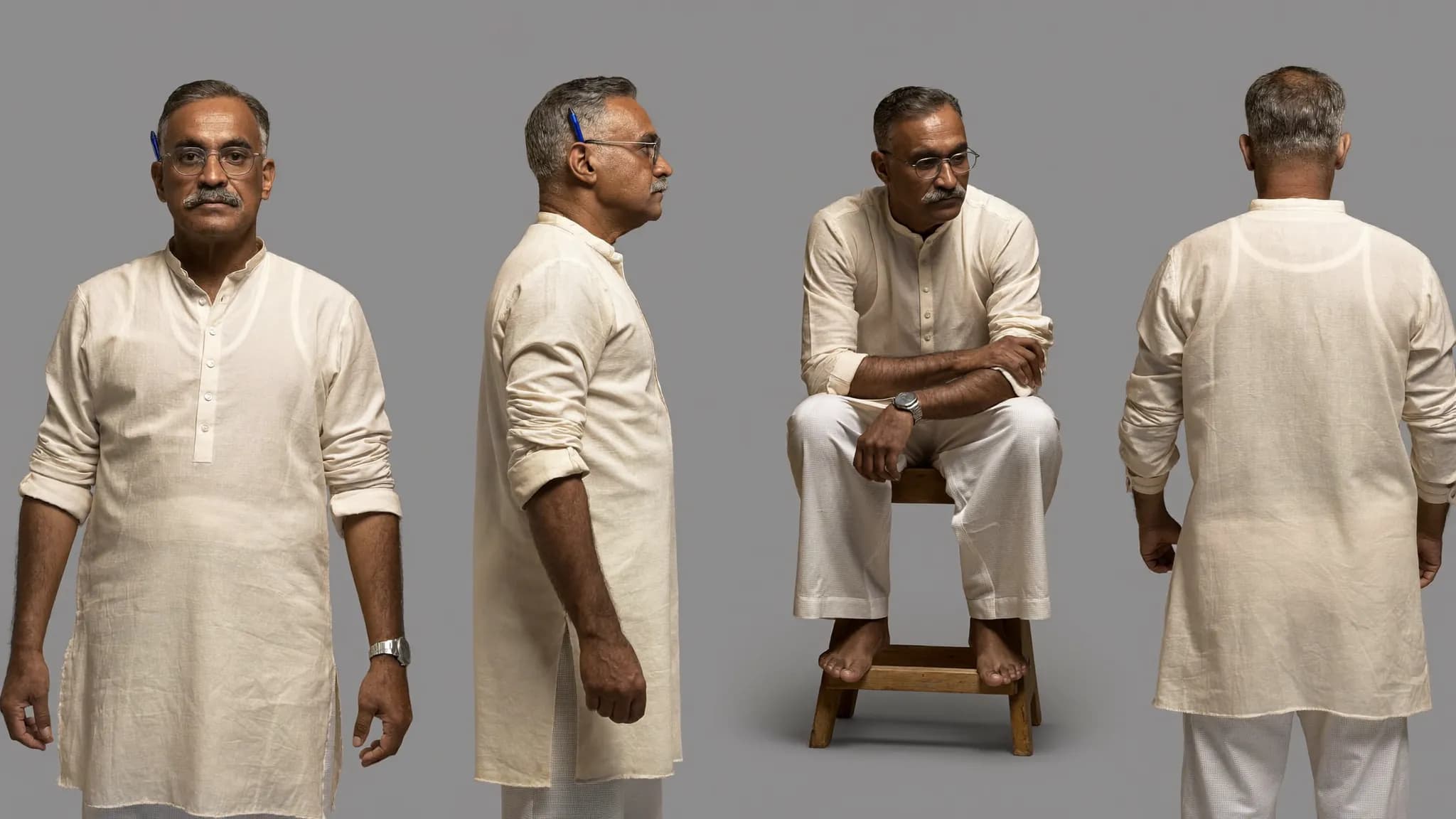
The two characters: Pintu, the bike man, and the kirana owner.
Credits
- Production
- Wingwangwoah